







Blog
Will a Disposable Vape Set Off a Metal Detector?

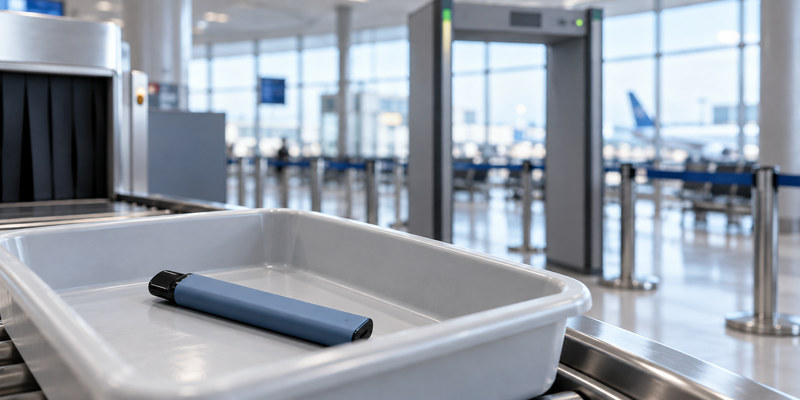
Will a Disposable Vape Set Off a Metal Detector?
Quick answer: Yes, a disposable vape can set off a metal detector, but it will not trigger every detector every time. A vape contains a battery, heating element, and electronic parts that include metal. Whether a checkpoint alarm sounds depends on the device, the detector’s settings, and how screening is being conducted. If you are going through airport security, follow the officer’s instructions and never try to conceal the device or bypass screening.
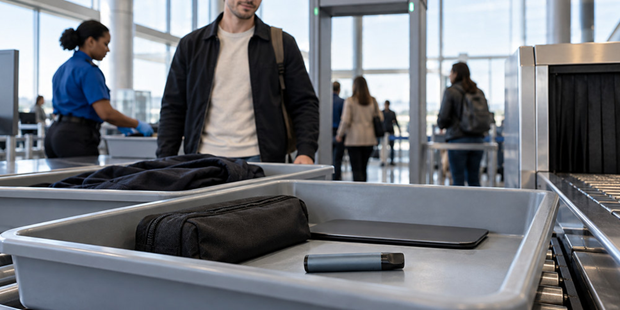
A vape may be visible during screening, but detector response varies by device and checkpoint.
The short answer is deliberately cautious. No reliable public rule can promise that a particular disposable vape will always alarm or never alarm at every airport. Security checkpoints use different screening equipment and procedures, and a device’s size and construction vary by model. You may pass through without an alarm, or an officer may ask to inspect the item or conduct additional screening.
It also helps to separate two questions that often get mixed together: whether a detector might respond to the vape, and whether you are allowed to bring it on a flight. The first depends on the screening setup. The second depends on aviation rules, the airline, and your destination. This guide explains both, using United States guidance as the main reference and noting where international rules differ.
Why a disposable vape can be detected
A disposable vape may look like a small plastic stick, but it is an electronic device. The U.S. Environmental Protection Agency describes e-cigarettes as devices containing lithium batteries, while the FAA describes electronic smoking devices as battery-powered devices with a heating element. Many designs also contain a heating coil and small electronic components. Those components can include materials a metal detector is designed to respond to.
That does not mean every vape contains enough detectable metal to produce an alarm in every setting. Walk-through detectors are configured and calibrated differently, and screening systems may be set to different thresholds. The detector is also responding to the overall object and its position, not identifying a vape by name. This is why one traveler may pass with a small electronic item while another is asked to step aside for additional screening.
The practical takeaway: treat an alarm as a possibility, not a certainty. Do not rely on a friend’s experience at another airport as a guarantee for your trip.
Metal detector, body scanner, and baggage X-ray are different
People often use the phrase ‘metal detector’ for every airport screening machine. In the United States, the TSA says passengers may be screened using advanced imaging technology, a walk-through metal detector, or a pat-down, depending on the lane and circumstances. These systems do not all work the same way. A walk-through metal detector looks for metal-related signals; an imaging scanner checks for items on or under clothing; and baggage X-ray screening examines the contents of a bag.
So the device might not be assessed by the walk-through gate at all. It could instead be visible in your carry-on during baggage screening, or you could be directed to a different screening method. The TSA’s overview of checkpoint screening explains that screening methods can vary. The TSA travel guidance also notes that items may receive additional screening if they trigger an alarm or raise another security concern.
Will a vape in your pocket set off the airport detector
It might. Carrying the vape in a pocket places it close to your body as you pass the screening point, but the result still depends on the device and equipment. A small disposable may pass without an alarm in one instance and prompt extra screening in another. Other metal items on your person, such as keys, a belt buckle, coins, or jewelry, can also contribute to an alarm.
Do not use this uncertainty as a reason to hide the vape in clothing, tape it to your body, or move it somewhere screening staff cannot see. That can create confusion and may lead to additional inspection. Before entering the checkpoint, listen for instructions about what to remove or place in a tray. If an officer asks about an item, answer plainly and follow the directions given.
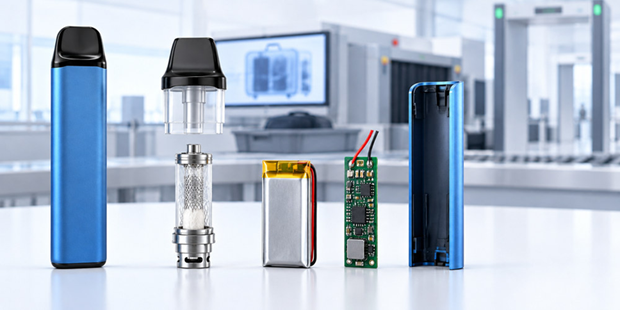
Disposable vape designs vary; this is an illustrative view of common electronic components.
What to do if the detector alarms
- Stop where the officer directs you and remain calm.
- Tell the officer that you are carrying a disposable vape if asked, or if it is relevant to the alarm.
- Follow instructions for a visual check, bag inspection, or additional screening.
- Do not reach into a bag or pocket until the officer tells you to do so.
- If you are unsure what to do with the device, ask the officer rather than guessing.
An alarm does not automatically mean that you have done something wrong. TSA guidance says an item that alarms may receive additional screening, and the final decision about an item at the checkpoint rests with the TSA officer. Cooperating and making the device easy to identify is generally the clearest way to resolve a routine question.
Can you bring a disposable vape through airport security
In the United States, the FAA says electronic smoking devices must be carried on your person or in carry-on baggage. They are not allowed in checked baggage. The device must also be protected against accidental activation. The FAA gives examples such as a protective case or a locking cover, depending on the device design. Check the FAA PackSafe rules for e-cigarettes and vaping devices before travel because airline limits may also apply.
If your carry-on bag is taken at the gate and placed in the aircraft hold, remove the vape first and keep it with you in the cabin, following crew instructions. This matters because lithium battery incidents need to be accessible to the cabin crew. The FAA also says passengers may not recharge these devices or their batteries onboard, and using a vape on an aircraft is prohibited.
Rules vary outside the United States. For example, UK government guidance lists e-cigarettes as allowed in hand luggage and not allowed in hold luggage, while advising travelers to check airline restrictions. Other countries may restrict possession, import, or use of disposable vapes. Check the airline and destination country’s official rules before you leave; a device passing through a detector does not mean it is legal to carry at your destination.
Does a vape trigger the scanner in your carry-on bag
Baggage X-ray is not the same as the walk-through detector. Your vape may be visible as an electronic item in a carry-on bag, and screeners can inspect a bag if needed. Whether you should remove it depends on the instructions at that checkpoint. Do not assume that every airport uses the same tray process or asks passengers to separate the same items.
Keep the device accessible enough to show if requested, but pack it so it cannot turn on accidentally or be crushed. Avoid placing it loose beside keys or other objects that could press a button or damage the casing. If the device is leaking, swollen, damaged, or recalled, do not bring it on the flight; consult the airline or relevant safety authority for guidance.
What affects whether a detector alarms
- Device design: dimensions, battery size, heating assembly, and amount of metal vary across models.
- Detector type and settings: checkpoints use different equipment and operating thresholds.
- How the device is carried: position and orientation can change the detector’s response.
- Other items: keys, coins, belts, jewelry, and electronics may also contribute to an alarm.
- Screening procedure: the airport may use a metal detector, imaging scanner, pat-down, or another approved method.
These factors explain why online anecdotes conflict. A post saying ‘my vape never set off a detector’ describes one device and one screening experience. It cannot predict the result for a different model, checkpoint, or screening method.
Quick checklist before you leave for the airport
- Check the airline’s current rules and the laws at your destination.
- Carry the vape in your person or carry-on baggage under U.S. FAA rules; do not pack it in checked baggage.
- Prevent accidental activation and protect the device from crushing or damage.
- Keep it accessible for screening and follow checkpoint instructions.
- Do not use or charge it on the aircraft.
- If the carry-on is gate-checked, remove the device and keep it in the cabin as directed.
For the United States, the FAA’s current PackSafe page and your airline are the best places to confirm the latest battery and device rules. For travel elsewhere, check the aviation authority and airline for each country on your itinerary. Security screening and carriage rules are related, but they are separate decisions.
For a broader look at baggage and onboard rules, read our guide: Can You Take Disposable Vapes on an Airplane.
FAQ: Disposable vapes and metal detectors
Will a disposable vape definitely set off a metal detector?
No. It can trigger a detector because it contains a battery and electronic heating parts, but the outcome depends on the model, screening equipment, settings, and how it is carried. No universal result can be guaranteed.
Will a disposable vape set off a walk-through metal detector at an airport?
It may, but not in every screening lane or on every trip. Airports may use different methods, including a walk-through detector, imaging technology, or a pat-down. Follow the instructions at your checkpoint.
Should I put my vape in the tray before screening?
Follow the checkpoint officer’s instructions. Procedures can vary by airport and lane. Keep the device available for inspection and do not conceal it or place it somewhere staff cannot see.
Can I pack a disposable vape in checked luggage?
In the United States, FAA rules require electronic smoking devices to be carried on your person or in carry-on baggage, not checked baggage. Check your airline and destination rules as well.
Can I use or charge a disposable vape on the plane?
No. FAA guidance prohibits using or recharging vaping devices and their batteries onboard. Airline rules may provide further restrictions.
Will a vape be detected in a carry-on X-ray?
A carry-on X-ray is a separate screening method from a walk-through metal detector. The device may be visible as an electronic item, and the bag may receive additional inspection. Follow the airport’s current instructions.
What if a detector alarms when I am carrying a vape?
Stop and follow the officer’s directions. Explain that you are carrying a vape if asked or if it helps clarify the alarm. Do not reach for the device until instructed.
Do international airports follow the same vape rules?
No. Carry-on and checked-baggage rules, airline limits, and laws on disposable vapes vary by country. Verify the rules for each country on your itinerary before travel.
Sources and Further Information
Sources reviewed and accessed: October 13, 2026. Rules can change; confirm with your airline and the relevant authority before travel.
- Federal Aviation Administration: Electronic Cigarettes and Vaping Devices
- Federal Aviation Administration: Airline Passengers and Batteries
- Transportation Security Administration: Airport Screening Process
- Transportation Security Administration: Travel Tips and Screening
- U.S. Environmental Protection Agency: Battery Collection Tip Sheet for E-Cigarettes
- GOV.UK: Hand Luggage Restrictions for Electronic Devices
 Vapes mit 9.000 Zügen
 E-Zigaretten mit 12.000 Zügen
 E-Zigaretten mit 15.000 Zügen
 E-Zigaretten mit 20.000 Zügen
 E-Zigaretten mit 30.000 Zügen
 E-Zigaretten mit 40.000 Zügen
 E-Zigaretten mit 50.000 Zügen
 E-Zigaretten mit 60.000 Zügen
 E-Zigaretten mit 80.000 Zügen
 E-Zigaretten mit 100.000 Zügen